Let's explore how each factor influences your microphone choice and how you can make the best decision based on your specific needs, especially if you plan to use it with devices like an iPhone, Android phone, iPad, tablet, MacBook, or PC.
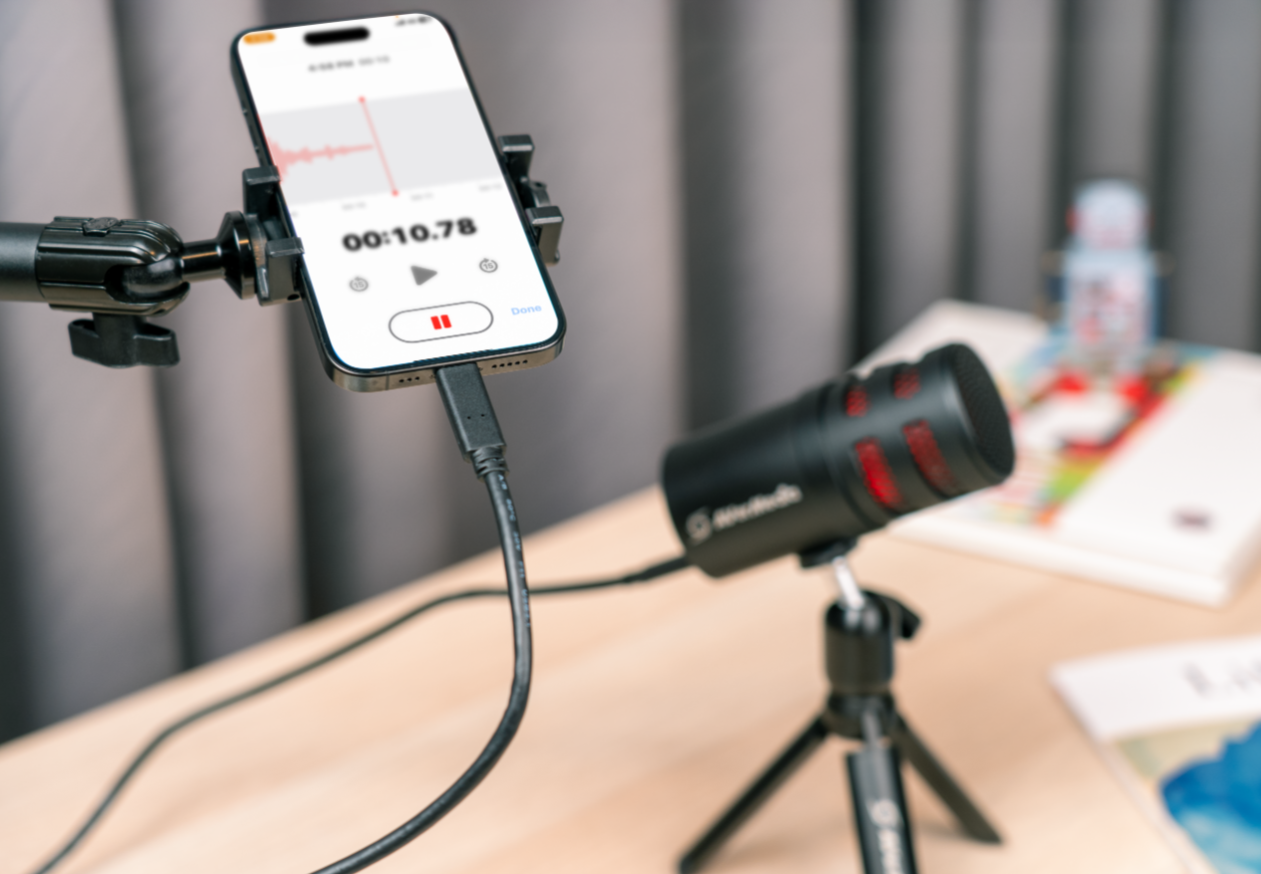
The connection type determines how your microphone communicates with your recording device or audio interface. The two most common options are USB and XLR. A growing trend is that many USB microphones are now designed to work with smart devices like iPhones and iPads, Android phones and tablets, making them versatile for mobile recording.
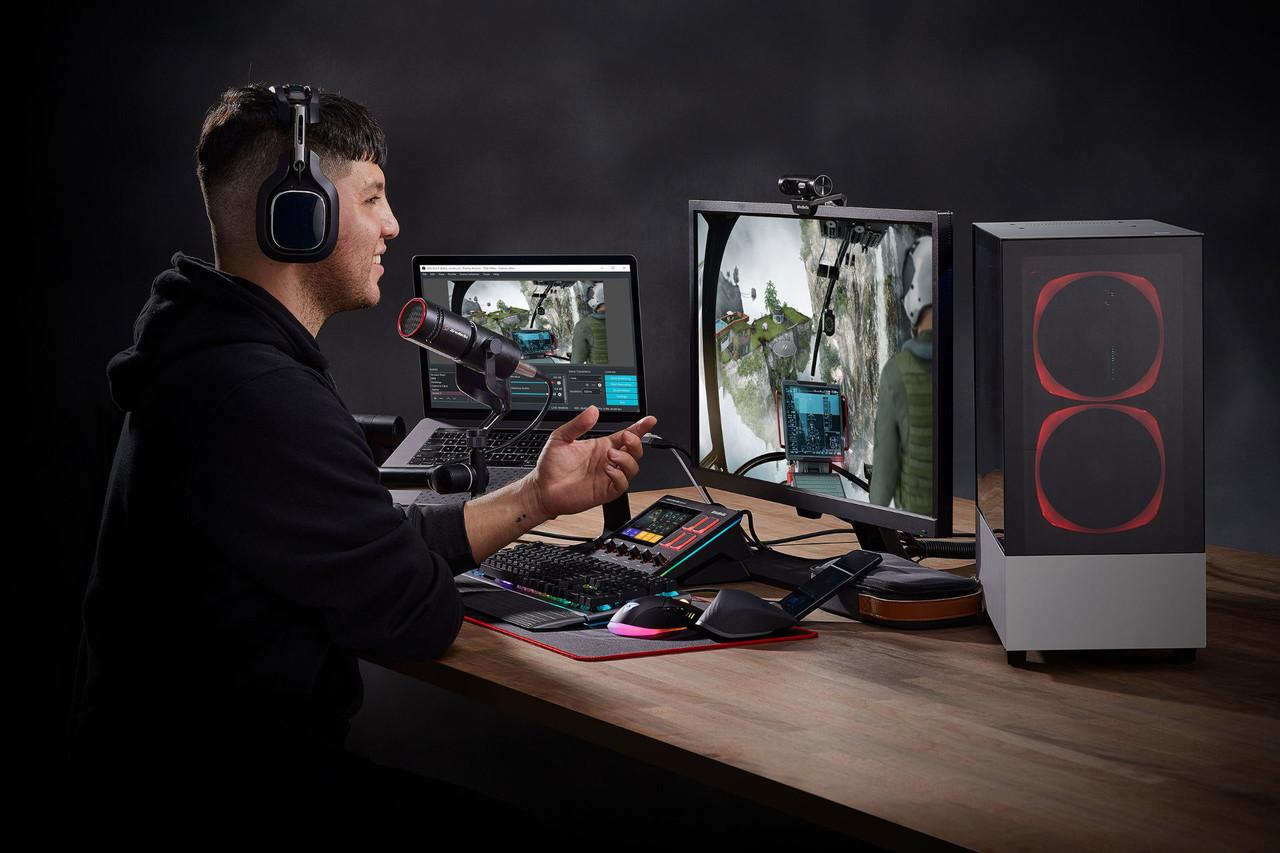
USB microphones are popular due to their plug-and-play convenience. They connect directly to your computer, making them ideal for beginners, solo podcasters, or creators who want to keep things simple. USB mics often come with built-in audio interfaces, meaning they don't require any additional equipment. This is particularly useful for remote work, virtual meetings, or recording with minimal gear. Some USB microphones can also be connected to smartphones and tablets, making it easy to record on the go, whether using an iPhone, Android phone, iPad, or tablet.
Pros:
Cons:
Ideal for: Streamers, remote workers, and those recording podcasts or tutorials from home or while traveling.
Most USB mics can also be connected to smartphones and tablets for mobile recording.
XLR microphones are the go-to choice for professional recording environments. They connect via a 3-pin XLR cable to an external audio interface or mixer, allowing greater control over sound quality. XLR mics offer superior sound fidelity and are typically used in professional studios, live performances, and complex multi-mic setups.
Pros:
Superior audio quality
Versatile in studio or live settings
Supports advanced sound customization
Cons:
Ideal for: Musicians, voice-over artists, podcasters with multiple hosts or guests, and professionals in high-quality audio production environments.
Cardioid mics are ideal for solo users for podcasts, live streaming, voice-overs and more.
Omnidirectional microphones capture sound equally from all directions. These are useful in scenarios where you want to record a group of people or capture ambient sounds.
Pros:
Cons:
Ideal for: Conference calls, group interviews, and recording nature or ambient soundscapes.
Bidirectional microphones pick up sound from the front and back while rejecting sound from the sides. This is especially useful for interviews where two people sit across each other.
Pros:
Cons:
Ideal for: Face-to-face interviews, duets, and specific recording techniques in music production.
The type of microphone itself plays a crucial role in how it captures sound and performs in different environments. Whether you're using it with a smartphone, computer, or audio mixer, choosing between dynamic and condenser microphones can make a big difference in sound quality.
Dynamic microphones are known for their durability and ability to handle high sound pressure levels (SPL). They are less sensitive to ambient noise, making them perfect for live performances, loud environments, or recording louder sound sources like drums and electric guitars.
Pros:
Cons:
Ideal for: Live performances, drums, amplified instruments, and environments with loud background noise.
Condenser microphones are highly sensitive and offer superior sound clarity, making them ideal for studio recordings. They require phantom power from an audio interface or mixer and excel at capturing fine details in vocals, acoustic instruments, and ambient sounds. If you're looking to record high-quality audio, a condenser mic is often the best choice.
Pros:
Cons:
Ideal for: Studio vocals, acoustic instruments, and controlled recording environments.
Condenser mics are highly sensitive and are ideal for studio recordings.
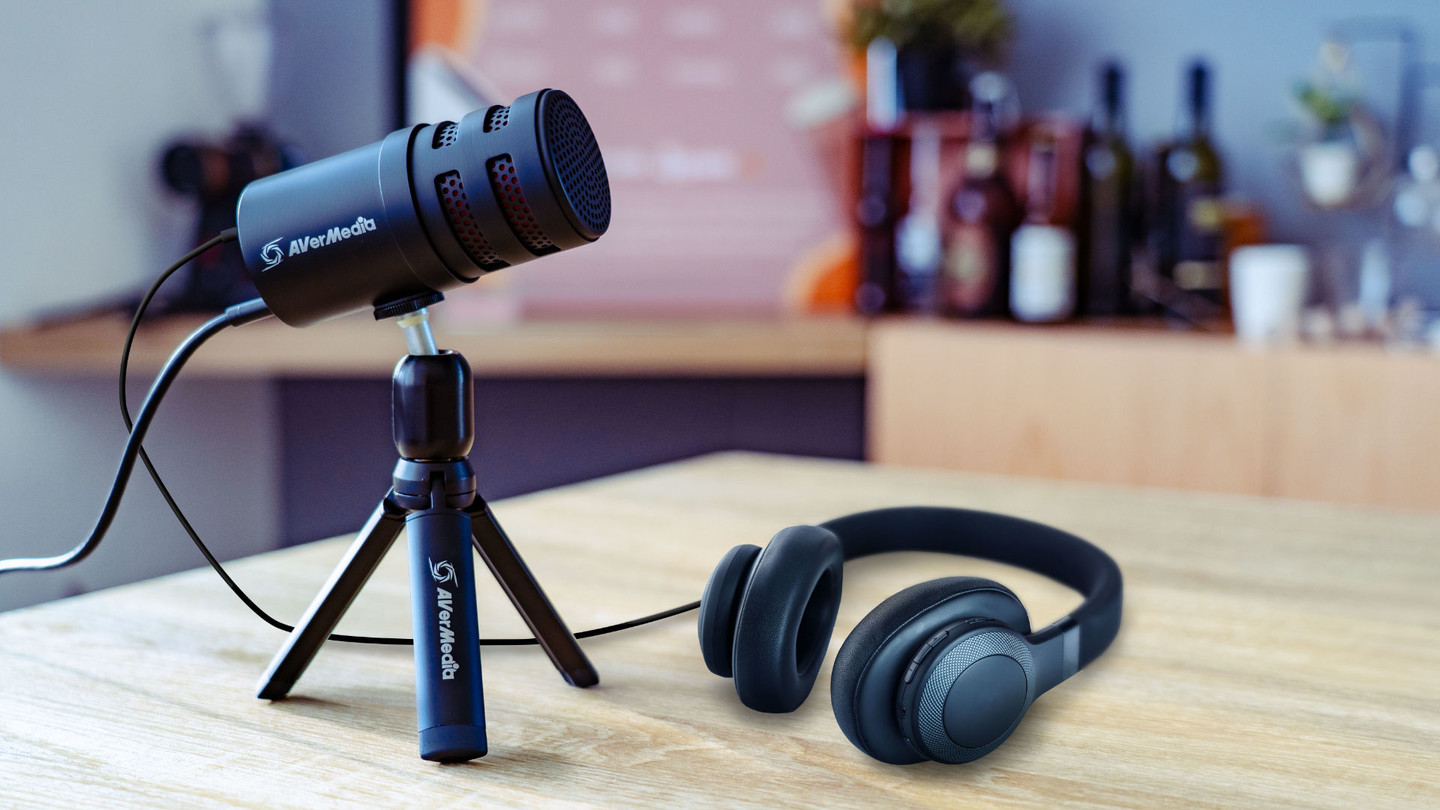
Being in the audiovisual industry for over 30 years and tapping on its technical expertise, AVerMedia offers a range of microphones that cater to different use cases, including the newly released VERSATI go (AM310G2) microphone. Learn more about AVerMedia's microphone below.


 Men & Womens Essentials
  Gadgets & Tools
  Home & Kitchen
  Kids Accessories & Toys
  Health, Supplements & Organic
  Safety & Security Items
  Exclusive Collections
  Religious & Traditional Items
  Gift Items for Every Occasion
  Bags & Travel Essentials